
PRODUCTS

Tin Free Steel (TFS) is produced by applying electrolytic chromic acid treatment over steel sheets. This steel product was developed to meet economic requirements, and excels tinplate in paintability, paint adhesion, and economy. It is widely used for making beverage cans and 18-liter cans.
Lead increases the machinability of brass as well as increasing its strength and resistance to corrosion. The addition of lead also seals shrinkage pores to provide pressure tightness. Brasses can contain up to 3.5 percent in lead contents, and are classified as low, medium, or high-leaded.
Equal thickness tinplate is a cold-rolled tinplate with the same amount of tin plating on both sides. Tin plated sheet is made by rolling low carbon steel, followed by acid washing, cold rolling, electrolytic cleaning annealing, leveling, edge cutting processing, and then cleaning, electroplating, softening, passivation treatment, and oil coating before cutting into finished tin plated sheet metal.
Differential Thickness Tinplate Coil
Differential thickness tinplate is a cold-rolled electroplated tin plate with different tin plating amounts on both sides. Tin plated sheet is made by rolling low carbon steel, followed by acid washing, cold rolling, electrolytic cleaning annealing, leveling, edge cutting processing, and then cleaning, electroplating, softening, passivation treatment, and oil coating before cutting into finished tin plated sheet metal.
Tin Mill Black Plate (TMBP) steel is manufactured from hot rolled coils by pickling to remove the surface oxide produced during the hot rolling stage, and cold reducing through a cold mill to the desired thickness. TMBP produces a low ductility product that is usually processed further to develop desired end use characteristics.

CONTACT US
Email : ella@zhongcansteel.com
Mill Address:Hi-Tech Development Zone,Feicheng,Taian,Shandong , China.
Office Address:Taishan Financial Center ,Taian,Shandong,China
GET A FREE QUOTE
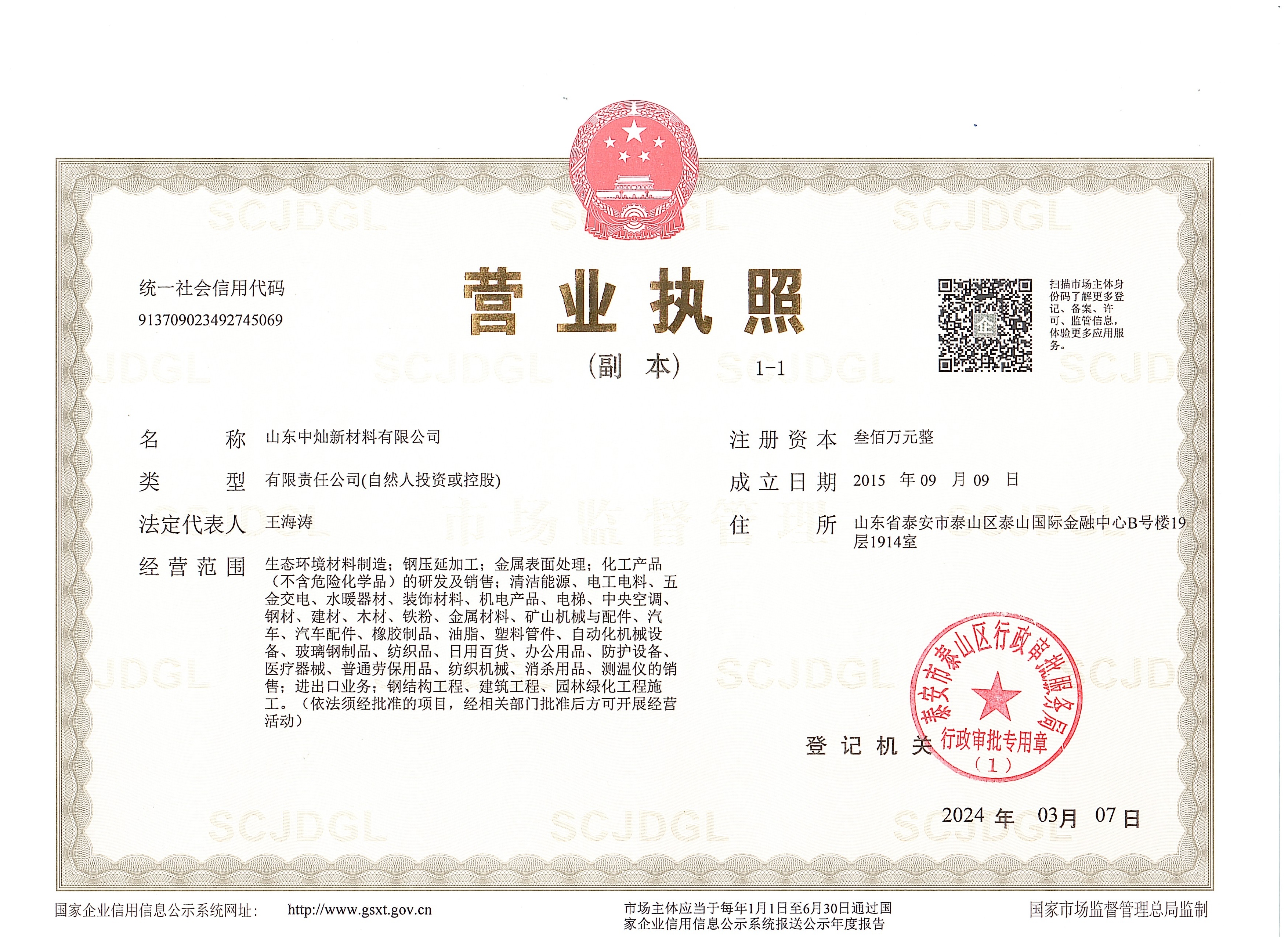
Copyright : SHANDONG ZHONGCANSTEEL NEWS MATERIAL CO.,LTD. Powered by:CEglobal Business License SEO Privacy Agreement